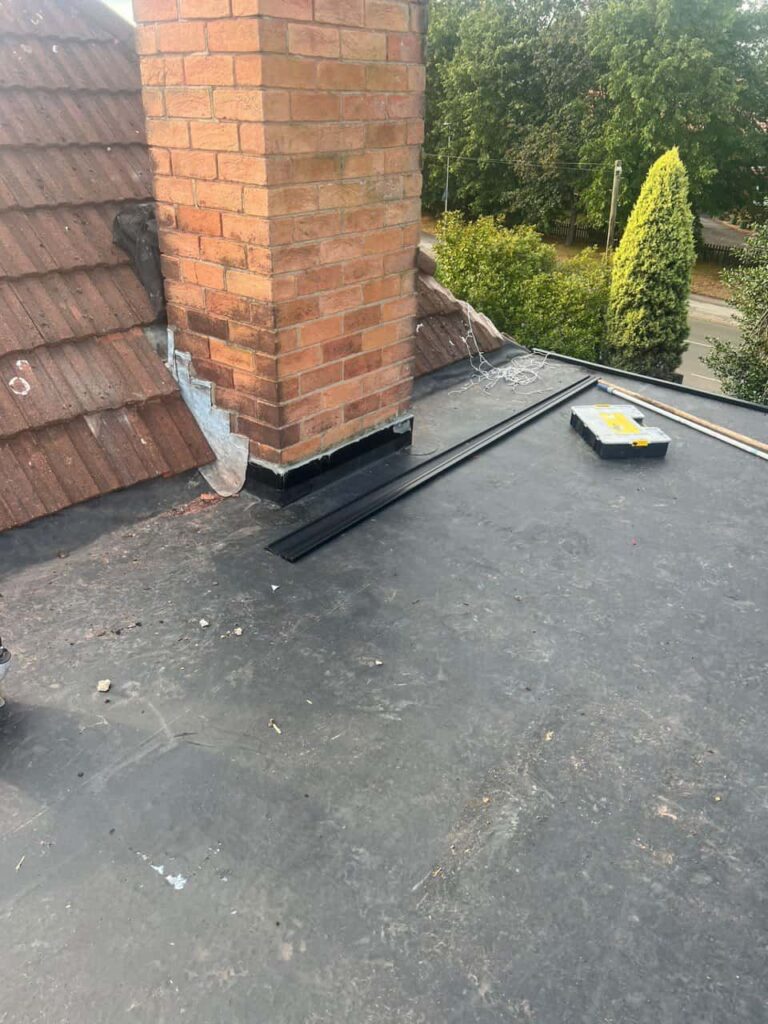
Roof tiles are designed to remain securely positioned and protect the roof structure from rain, wind and everyday exposure. However, tiles can sometimes move out of position, leaving gaps across the roof and creating areas where water can enter. Identifying and repairing slipped roof tiles promptly can help prevent a relatively small problem from developing into more extensive roof damage.
For homeowners in Chalfont St Giles, Buckinghamshire, understanding why roof tiles slip and how they can be repaired can make it easier to recognise when professional attention is needed.
What Causes Roof Tiles to Slip?
There are several reasons why roof tiles may become displaced. Some are related to age and general wear, while others can develop following adverse weather or problems with the roof itself.
Strong winds can lift or shift tiles, particularly where fixings have deteriorated or become loose. Repeated exposure to changing weather conditions can gradually weaken the materials holding tiles in place.
The condition of the battens, fixings and mortar can also affect tile stability. Older roofs may have components that have deteriorated over time, allowing individual tiles to move more easily.
Movement within the roof structure can sometimes contribute as well. If the supporting materials have become damaged or weakened, tiles may no longer sit correctly.
Signs That a Roof Tile Has Slipped
A visibly displaced tile is the most obvious warning sign, but there are other indications that a roof may require attention. From ground level, you may notice an uneven line of tiles, gaps between tiles or a tile sitting lower than those around it.
Inside the property, signs of water ingress may also indicate that a damaged or displaced tile is allowing moisture through. Damp patches, water marks or signs of moisture around the roof space should not be ignored.
Sometimes the problem is only visible from close inspection of the roof. This is one reason why professional roof assessments can be useful when there is concern about the condition of the tiles.
Why Slipped Tiles Should Be Repaired Promptly
A missing or displaced tile can leave part of the roof more exposed to rainfall and wind. Even if there is no immediate sign of water entering the property, continued exposure can increase the risk of damage to the underlying roof components.
Water can find its way through gaps and affect roofing membranes, battens and other parts of the roof structure. Over time, repeated moisture exposure can lead to deterioration that is more difficult to resolve.
Prompt repairs can therefore help protect the surrounding roof and prevent a localised tile problem from becoming a wider maintenance issue.
How Slipped Roof Tiles Are Repaired
The appropriate repair method depends on why the tile has moved and the condition of the surrounding roof. A roofer will normally inspect the affected area to determine whether the tile can be repositioned or whether replacement is more appropriate.
If the tile itself remains in good condition, it may be possible to secure it correctly using suitable fixings. Where a tile is cracked, broken or significantly deteriorated, replacing it may provide a more reliable solution.
The surrounding tiles should also be checked during the repair. If several tiles have become loose, simply repositioning one tile may not address the underlying problem.
Where mortar bedding or other supporting materials have deteriorated, these may also need attention. The objective is to restore the affected section while ensuring the repair is compatible with the existing roof.
Checking the Roof After Stormy Weather
Chalfont St Giles properties can experience periods of strong and unsettled weather, making it sensible to check the roof after particularly windy conditions. Loose or displaced tiles may not always be obvious from ground level.
If you notice a tile has moved, avoid attempting to access the roof yourself. Roof work can be hazardous, and walking on roof tiles can cause further damage. A professional roofer can inspect the area safely and determine what repair is required.
Professional Roof Tile Repairs in Chalfont St Giles
LS Roofing Chalfont St Giles provides professional roof repair services for properties in Chalfont St Giles, Buckinghamshire. If you have noticed slipped tiles, gaps in the roof covering or signs of possible water ingress, a professional inspection can help identify the cause and determine the appropriate repair.
If your roof has slipped tiles or you are concerned about its condition, contact LS Roofing Chalfont St Giles to discuss the problem and arrange a suitable roof repair.
Conclusion
Slipped roof tiles can result from strong winds, ageing fixings, deteriorated mortar, damaged supporting materials or general wear. Although an individual displaced tile may appear to be a minor issue, leaving it unrepaired can expose the roof to moisture and further deterioration.
For homeowners in Chalfont St Giles, prompt inspection and appropriate repair can help maintain the roof’s protective function. Professional assessment is particularly useful when the cause of the movement is unclear or several tiles appear to have been affected.
Call us on: 01494 302 499
Click here to find out more about LS Roofing Chalfont St Giles
Click here to complete our contact form and see how we can help with your roofing needs.